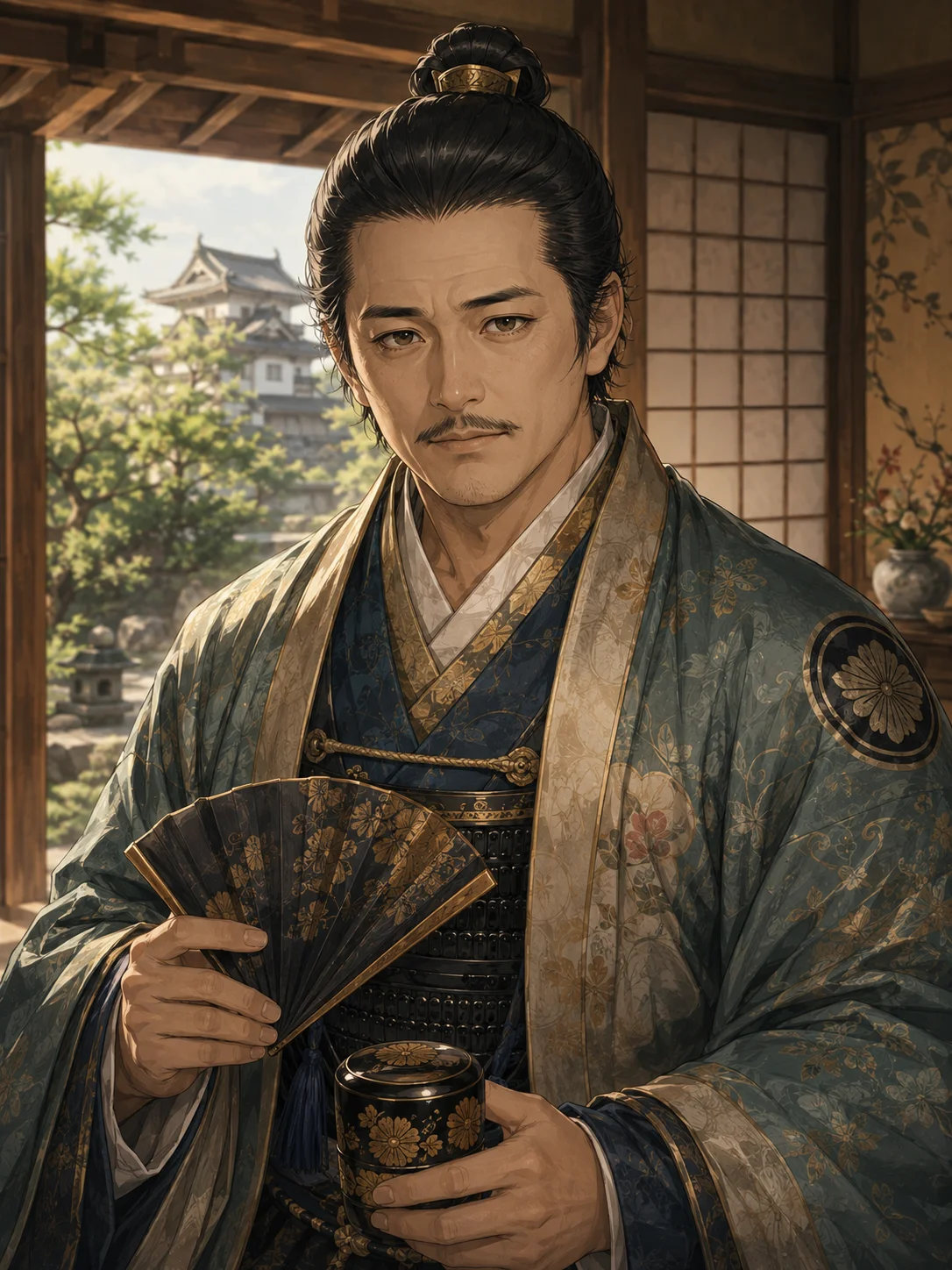
Oda Nobukatsu
Nobunaga’s second son, adopted by the Kitabatake, and nominal commander at Komaki and Nagakute. He lost his lands repeatedly yet outlived his brothers. Do not mock his poor choices; share his wandering life and he may treat you as a rare ally.
Life
Nobunaga’s second son
Ambition
Secure Ise as his own base and prove he has a stature equal to Nobunaga and Nobutada.
Though sent away as the Kitabatake heir, he faces resistance from their old retainers. Unless he brings Ise firmly under control, he will remain a pawn among the Oda.
If he fails to govern Ise, he risks provoking his father Nobunaga’s fury. He could be driven from his domain or even put to death, losing the standing he holds as a member of the Oda bloodline.
- Deep resistance among Kitabatake retainers
- Stubborn local warriors of the Iga league
- His inexperience in command and rash decisions
Character and convictions
The noble blood of Nobunaga’s second son and the will to preserve his line.
The humiliation of Nobunaga’s scolding after his disastrous unauthorized invasion of Iga.
His fondness for tea, falconry, Noh, and other arts shared with cultured companions.
Being dismissed as an incompetent general.
Historical path
Final chapter
1630 (aged 73)After Nobunaga’s death, he allied himself first with Hideyoshi and then with Ieyasu. His lands were confiscated and later restored more than once, yet he kept his life and position. He lived into the early Edo period and died of illness in Kyoto in Kan’ei 7 (1630), aged seventy-three.
While his father and brothers died at Honnōji or Shizugatake, the brother mocked as most foolish lived to seventy-three. His line endured as Tokugawa lords until the end of the shogunate.