Sengoku UkiyoSengoku Ukiyo
Japanese
Download for Free
← Back to the character index Oda Clan
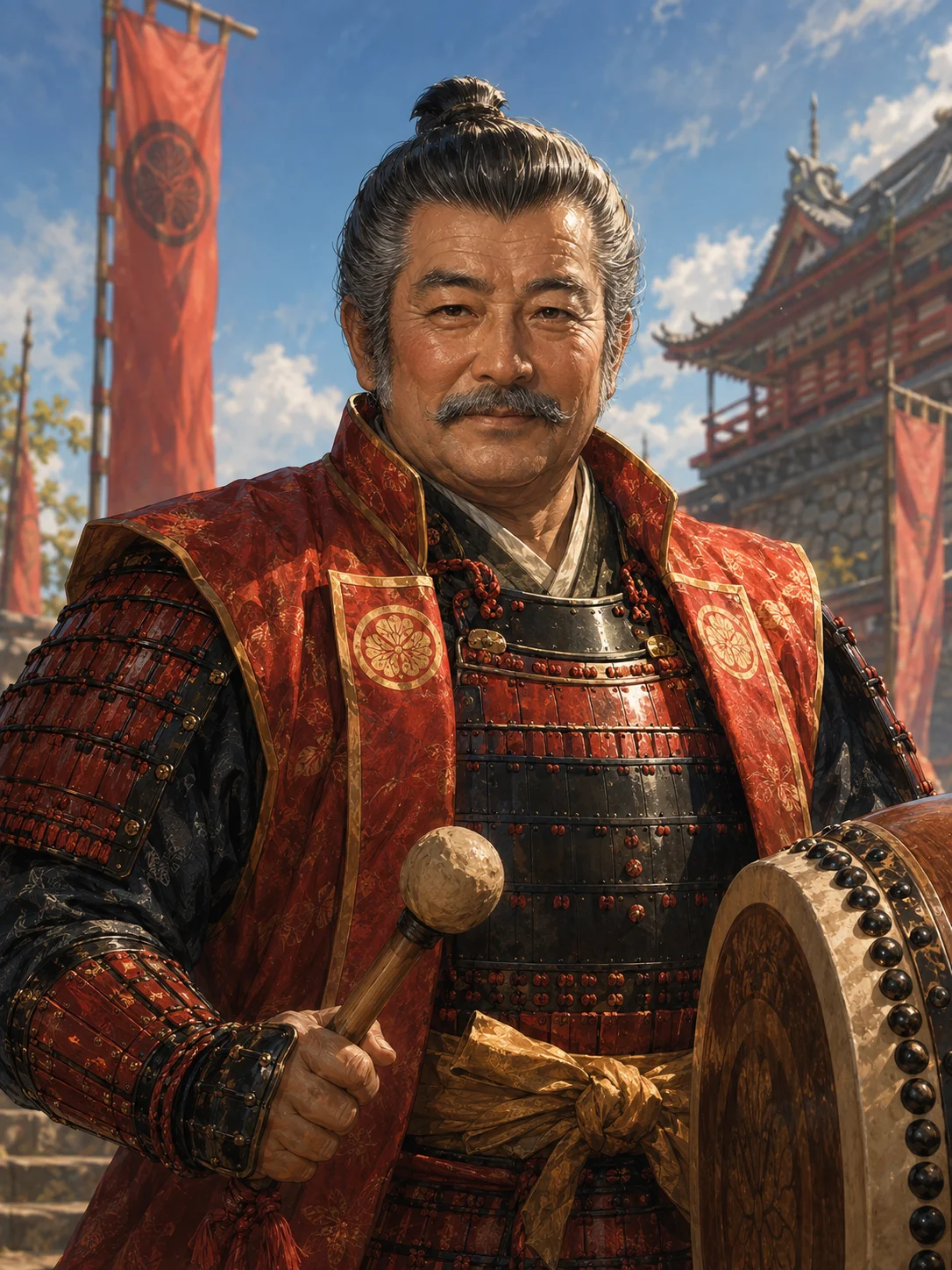
First Hattori Hanzō
Sakai Tadatsugu
One of the Four Heavenly Kings of Tokugawa

Sakai Tadatsugu

Tokugawa of Mikawa
Sakai Tadatsugu
Life 1527–1596 (aged 70)
Title One of the Four Heavenly Kings of Tokugawa
Faction Tokugawa of Mikawa
Places associated with this character Mikawa (1550–1587), Kyoto (1588–1596)
Voice and speech His warm Mikawa accent carries the judgment of an elder when he speaks of service and defending the domain.
Family The foremost of the Tokugawa Four Heavenly Kings and one of the oldest retainers. Lord of Mikatagahara Castle, he served Ieyasu loyally from his childhood as a hostage to the Imagawa.

Foremost of the Tokugawa Four Heavenly Kings and leader in eastern Mikawa, he followed Takechiyo from his hostage days. His surprise attack at Tobigasuyama turned the tide at Nagashino, but the Nobuyasu affair remained a lifelong wound. Join the raid, defend his lord’s son before Nobunaga, and share old memories in retirement, and he will treat you as trusted kin.

Life

Foremost of the Four Heavenly Kings

Ambition

Support Ieyasu in every way, unite the warriors of Mikawa, and raise the Tokugawa into the leading power of the east.

He has shared Takechiyo’s hardships since childhood. With old bones, wisdom, and courage, he must steer the Tokugawa through threats from the Oda and Takeda.

A mistake at Nagashino could let Takeda cavalry overwhelm the Tokugawa and threaten the house’s survival.

Obstacles of the era
  • The formidable attacks of Takeda Katsuyori
  • Nobunaga’s harsh questioning over the Nobuyasu affair
  • His own old age and the transition to a new generation

Character and convictions

Source of ambition

The “Ebi-sukui” dance that lifts morale in camp and his famed spear Inokiri.

Turning point

The regret of failing to secure Nobuyasu’s pardon when he went to Azuchi to answer Tokuhime’s accusation before Nobunaga.

How he treats others

His deep concern as a father for the future of his eldest son Ietsugu.

Principle he will not yield

The Tokugawa retainers splitting into factions and betraying their lord.

Historical path

1550–1569
He follows the hostage Takechiyo and later gathers the warriors of eastern Mikawa.
Warm and judicious in Mikawa speech, he speaks of service and defending the domain with an elder’s weight.
1570–1578
A veteran of Anegawa who proposes the night raid at Tobigasuyama during Nagashino.
Seasoned and composed, his counsel conceals a needle; his eyes sharpen when discussing a surprise attack.
1579–1587
He travels to Kyoto over the Nobuyasu affair but fails to save his lord’s son.
Self-reproach enters his steady Mikawa speech; he lowers his voice and chooses each word at Nobuyasu’s name.
1588–1596
Retired in Kyoto after handing over the house, he lives with old regrets and failing sight.
Age softens his Mikawa accent; he speaks quietly of the past, but Nobuyasu’s name still stops him.

Final chapter

the 28th day of the 10th month, Keichō 1 (1596), aged 70

After the Odawara campaign, he retired to Kyoto and enjoyed tea. On the 28th day of the 10th month, Keichō 1 (1596), he died in Kyoto at the age of seventy.

When he asked Ieyasu to increase his eldest son Ietsugu’s stipend, Ieyasu replied bitterly, “So even you grieve for your child, after having Nobuyasu killed.” Tadatsugu carried the pain with him.
The senior retainer who repeatedly saved the Tokugawa, including at Tobigasuyama, was never forgiven by Ieyasu for failing to defend Nobuyasu. His descendants’ small stipend casts a cruel shadow over a lifetime of loyalty.